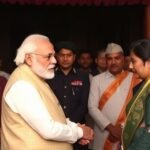
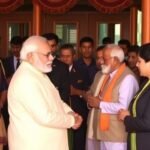
Indian Prime Minister Narendra Modi’s recent visit to Manipur marks a significant moment for the state, which has been grappling with ethnic tensions since the violent clashes of May 2023. This visit comes two years after the state witnessed devastating violence between the Meitei and Kuki communities. As the Prime Minister steps into this fraught landscape, the focus is on healing and rebuilding the fractured community.
A Divided State: The Background of the Clashes
The northeastern state of Manipur has faced severe ethnic violence due to longstanding disputes between the Meitei and Kuki communities. In May 2023, violence erupted, resulting in over 260 deaths and widespread destruction. Homes were burned, and entire neighborhoods were abandoned, leaving deep scars on the social fabric of the region.
Modi’s Visit: A Symbol of Reconciliation
During his visit, Prime Minister Modi addressed the needs for peace and unity. He emphasized the importance of coming together as one community to overcome the challenges that divide them. His appearance served not merely as a visit but rather as an important symbol of hope for reconciliation.
Key Initiatives Announced
- Reconstruction of destroyed infrastructure
- Funding for community development programs
- Support for displaced families
These initiatives aim to restore normalcy and pave the way for a peaceful coexistence between the ethno-cultural groups in Manipur.
The Current Situation in Manipur
Even with Modi’s visit, the situation in Manipur remains tense. Curfews are still enforced in many areas, and paramilitary forces patrol the streets, ensuring safety amid ongoing unrest. Locals express a mixture of hope and skepticism regarding the government’s intentions and actions.
The Role of Local Leadership
Local leaders play a crucial role in the reconciliation process. Community dialogues and outreach programs spearheaded by local NGOs are essential for rebuilding relationships between the Meitei and Kuki. Trust must be rebuilt, and this can only happen when all parties engage openly and seek common ground.
The Importance of Dialogue and Peacebuilding
Dialogue is an essential component of peacebuilding in Manipur. Initiatives that promote understanding and respect between communities are vital in addressing the root causes of the conflict. Workshops, cultural exchanges, and collaborative projects can help bridge the divide.
Community Participation
It is imperative that community members actively participate in the peacebuilding process. By fostering dialogues that include voices from both the Meitei and Kuki communities, solutions can emerge that honor the needs and rights of all. Local participation can lead to greater acceptance of peace initiatives and reconciliation efforts.
Global Attention and Support
Modi’s visit has attracted international attention, putting Manipur on the global map as a site of ethnic conflict and reconciliation. The engagement of international organizations could be beneficial for the peace process. Global support can bring resources and expertise that are crucial for sustainable peace.
Conclusion: A Path Forward for Manipur
As Prime Minister Modi leaves Manipur, the true test will be in the implementation of the initiatives announced during his visit. Healing the wounds of conflict will require continuous effort from both the government and the communities involved. Only through commitment to peace, mutual understanding, and collaboration can Manipur hope to rise from its troubled past.