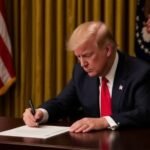
In a controversial move to reshape the skilled worker program, President Donald Trump has signed a proclamation that imposes a hefty $100,000 annual fee on H-1B visa applications. This significant change aims to protect US tech jobs and is set to impact many foreign professionals seeking employment in the United States.
Understanding the H-1B Visa Program
The H-1B visa is a non-immigrant visa that allows US companies to employ foreign workers in specialty occupations. Typically, this visa is sought by employees in the fields of science, engineering, IT, and other high-skilled professions. However, this new fee raises questions about the future of the program.
The Implications of the $100,000 Fee
The introduction of a $100,000 annual application fee represents a radical shift in the H-1B visa landscape. Currently, the standard fee for applying stands at a mere $215. The significant spike in fees is intended to discourage companies from relying heavily on foreign labor, thereby protecting American jobs.
Financial Burden on Applicants
This new policy is expected to create a substantial financial burden on both companies and individual applicants. Companies looking to hire skilled immigrants will now face steep costs, which may make them reconsider the necessity of hiring H-1B workers.
Impact on Job Opportunities
- Potential job reduction for foreign workers as companies reassess their employment strategies.
- Increased hiring of local talent to avoid the expensive visa application process.
- A possible decline in the diversity of the workforce, which can stifle innovation.
Support and Opposition to the New Fee
The proclamation has garnered mixed reactions. Proponents argue that the measure will level the playing field for American workers and deter companies from outsourcing jobs. However, critics, including various tech organizations, warn that it could lead to talent shortages in crucial sectors.
Support from Commerce Officials
Commerce Secretary Howard Lutnick expressed that this new fee, while controversial, is fully backed by big corporations. Companies with more than ten H-1B employees will need to shell out a significant sum of $1 million for a “political contribution” to Trump to receive a waiver on the fee.
Future of the H-1B Program
The future of the H-1B visa program hangs in uncertainty due to this substantial fee. With the market demand for skilled labor continuing to grow, the impact of these changes will be closely monitored.
Possible Reforms in the Visa Process
As the debate continues, many stakeholders are calling for a comprehensive overhaul of the visa system. Suggested reforms include:
- Modifying wage requirements to ensure fair compensation for international workers.
- Streamlining the application process to reduce bureaucratic delays.
- Encouraging more robust pathways for permanent residency for skilled workers.
Conclusion: The Road Ahead for H-1B Applicants
With President Trump’s signing of the proclamation imposing a new $100,000 annual fee for H-1B visa applications, the landscape for skilled workers in the United States is changing rapidly. While the intention to protect American jobs is clear, the implications of such a decision could have far-reaching effects on the economy and the tech sector. As we move forward, the conversation around these visa reforms will likely intensify, with many advocating for a balanced approach that fosters innovation while safeguarding local employment.