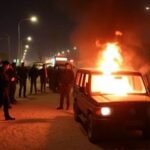
In recent days, Leh, the largest town in the Ladakh region, has witnessed violent protests as locals demand statehood and inclusion under the Sixth Schedule. The unrest escalated when protestors clashed with police, setting the Bharatiya Janata Party (BJP) office ablaze amid tensions. These protests reflect a growing frustration among the people of Ladakh regarding their political status following the abrogation of Article 370.
Background of the Demand for Statehood
The region of Ladakh was designated as a Union Territory on August 5, 2019, after the revocation of its special status. Since then, there has been a strong demand for statehood. Residents argue that they need more autonomy and protection under the Sixth Schedule of the Indian Constitution.
- Sixth Schedule grants special provisions for certain northeastern states, enabling them to have greater control over their land and local governance.
- Local leaders, including activist Sonam Wangchuk, have been vocal about the region’s need for political representation and control.
Violent Escalation of Protests in Leh
The protests in Leh turned violent as hundreds of locals took to the streets. This latest wave of unrest saw participants pelting stones at the BJP office and engaging in clashes with law enforcement. The situation has intensified, prompting the local administration to deploy additional security forces.
Key incidents during the protest included:
- The burning of a security vehicle near the BJP office.
- Protesters set the BJP office on fire, highlighting the frustration directed at the ruling party.
Role of Sonam Wangchuk and Activist Movements
Renowned engineer and environmentalist Sonam Wangchuk emerged as a central figure in the protests. He had been on a hunger strike to draw attention to the demands for statehood and the protection of Ladakh’s cultural and environmental concerns.
After ceasing his hunger strike, Wangchuk emphasized his commitment to continue advocating for Ladakh’s rights and autonomy:
- “This struggle is not over. We need to rise together for our future,” he stated.
- His activism has stirred significant local and national media attention, fueling the ongoing agitation for change.
Public Sentiment and Reactions
The public sentiment in Ladakh is deeply intertwined with the pursuit of statehood. Many residents feel marginalized and believe their voices are not being heard by the central government. The protests represent a collective effort to assert their demands for increased autonomy and self-governance.
Key points of concern among the protestors include:
- Protection of land rights.
- Preservation of cultural heritage.
- Representation in governance decisions.
Government Response to the Protests
The government’s response to the Ladakh statehood protests has been one of caution. Following the violence, officials have acknowledged the need for dialogue but have also reinforced the security presence in the region.
Local officials have stated:
- “We are committed to maintaining peace and are open to discussions with community leaders.”
- Concerns about the ongoing unrest have drawn attention from national media.
Conclusion: The Road Ahead for Ladakh
The situation in Ladakh remains volatile as the calls for statehood and Sixth Schedule status continue to gain momentum. With increased public unrest, it is crucial for the government to engage meaningfully with the demands of the local population. The actions taken in the coming days will significantly shape the future of Ladakh and its people.