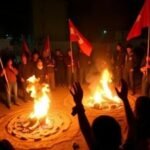
In a tragic turn of events, protests in Ladakh have escalated into violence, resulting in the loss of at least four lives and injuring over 100 others. The ongoing agitation, primarily advocating for full statehood, has raised significant concerns over governance and representation in this stunning region of India. As tensions mount, conflicting narratives emerge about who is truly leading these protests.
Understanding the Ladakh Protest Movement
The protests in Ladakh stem from long-standing demands for full statehood. Following the abrogation of Article 370, residents of Ladakh feel a loss of political voice and autonomy. This dissatisfaction has ignited passionate protests across Leh.
Key Issues Driving the Protests
- Demand for greater political autonomy
- Calls for a legislative assembly in Ladakh
- Concerns about cultural preservation
- Resource allocation and representation issues
Fatal Violence During Protests
The protests have turned violent, with significant clashes reported between protesters and law enforcement. Tragically, at least four people have lost their lives amid this turmoil. Eyewitness accounts describe scenes of chaos and desperation as locals demand their voices be heard.
BJP’s Response: Blaming the Opposition
The Bharatiya Janata Party (BJP) has been vocal in its criticism of the opposition, particularly targeting the Congress party. The BJP claims that Congress councillor Phuntsog Stanzin Tsepag has incited violence during these protests, stirring a significant backlash against the party.
Activist Perspectives: A Gen Z Movement?
Amid the chaos, activist Sonam Wangchuk has suggested that the protests are primarily led by Generation Z, emphasizing their role in advocating for change. This view contrasts sharply with the BJP’s narrative, which seeks to associate the unrest with traditional political factions.
The Role of Social Media
Social media has become a vital tool for communication and organization among protesters. Many young activists use platforms to highlight their causes, share experiences, and mobilize support. This digital activism signifies a shift in how protests are organized and perceived.
Local Government’s Response to Protests
In response to the escalating violence, local authorities have imposed restrictions and curfews in an effort to regain control. These measures, however, have sparked further discontent among protestors who argue that their rights to assemble peacefully are being trampled.
Conclusion
The situation in Ladakh remains volatile as the demands for statehood continue to escalate. With lives lost and community tensions rising, it is imperative that both the government and protesters seek a peaceful resolution. The narratives around who leads these protests—whether it’s local politicians or Gen Z activists—indicate broader societal shifts and the desire for a more engaged political dialogue in India.