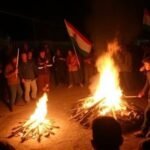
The recent surge in protests in Ladakh has turned tragic, with at least four lives lost amid escalating violence. Demands for full statehood for the Union Territory have sparked unrest, leading to significant political accusations from the Bharatiya Janata Party (BJP) against the Congress party, and claims from activist Sonam Wangchuk about the role of Gen Z in these movements. This blog explores the key highlights of the Ladakh protests, examining the underlying issues and political claims surrounding the violence.
Understanding the Protests in Ladakh
Protests in Ladakh have gained momentum in recent months, primarily driven by calls for full statehood. The demands stem from feelings of marginalization within the Union Territory.
- Protestors are advocating for:
- Legal recognition as a full-fledged state.
- Greater autonomy and self-governance.
- Protection of local culture and resources.
The situation escalated dramatically last Wednesday, resulting in violent clashes that led to injuries and fatalities.
The Role of Sonam Wangchuk in the Protests
Sonam Wangchuk, a prominent climate activist, has been identified by the Ministry of Home Affairs (MHA) as a key figure in the unrest. His provocative statements and hunger strike have seemingly fueled the protests.
Wangchuk states he merely aims to highlight issues that matter to the people of Ladakh. Many supporters view him as a beacon of hope for the demands being made.
BJP’s Accusations Against Congress
In response to the violence in Ladakh, the BJP has blamed the Congress Party for instigating unrest. They claim that elderly leaders of Congress are using young protestors to further their political agenda.
This political blame-game raises questions about accountability in times of crisis and the motivations of various groups involved in the unrest.
Impact of the Protests on Local Infrastructure
The protests have not only caused loss of life but have also led to severe damage to public property. Key incidents include:
- The destruction of a BJP office in Leh.
- Vandalism of the Ladakh Autonomous Hill Development Council.
- Damage to vehicles used by police and CRPF.
These incidents underscore the volatile situation and raise concerns about public safety and the need for dialogue.
The Call for Dialogue and Resolution
With emotions running high and tensions escalating, there is an urgent need for dialogue between the government and protesting groups. Many local leaders advocate for peace and are calling for negotiations to address the demands of the protesters.
A resolution is critical to restoring calm and ensuring that the voices of the people of Ladakh are heard and respected.
Conclusion
As the situation in Ladakh continues to develop, the recent protests highlight deep-seated issues regarding autonomy and governance. While political blame is exchanged, the voices and demands of the youth and local activists like Sonam Wangchuk will be crucial in shaping the future trajectory of this Union Territory. It remains vital for all stakeholders to engage in constructive dialogue to prevent further violence and promote peace.