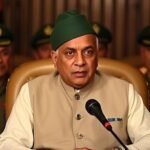
In a recent address in Colombia, Rahul Gandhi, the Leader of Opposition in India, raised alarms about a perceived “wholesale attack on democracy” within the country. His comments ignited a heated exchange with the Bharatiya Janata Party (BJP), which accused him of spreading propaganda abroad. This article delves into Gandhi’s remarks and the implications for India’s democratic fabric.
Rahul Gandhi’s Allegations of Democratic Erosion
While speaking in Colombia, Gandhi emphasized that the current situation in India poses significant risks to democracy. He articulated that the ruling BJP is engaged in a systematic undermining of democratic processes that safeguard India’s diverse society.
Key Points of Gandhi’s Speech
- Characterization of Indian democracy as being under siege.
- Emphasized the importance of India’s diversity and decentralized governance.
- Highlighted tensions resulting from political and social fissures within the nation.
BJP’s Response: Accusations of Propaganda
The BJP swiftly responded to Gandhi’s assertions by labeling him the “leader of propaganda.” They accused him of leveraging international platforms to denigrate India’s democratic credentials.
Key Responses from the BJP
- Claims that Gandhi’s comments are politically motivated.
- Emphasis on the stability and growth facilitated by the BJP’s governance.
- Statements encouraging a focus on national issues rather than foreign critiques.
The Context of Democratic Challenges in India
The debate around democracy in India is not new. Various political analysts and scholars have raised concerns about increasing authoritarianism and the diminishing space for dissent. Gandhi’s recent assertions echo these sentiments and highlight ongoing tensions in Indian political discourse.
Factors Contributing to the Perceived Erosion of Democracy
- Restrictions on press freedom.
- Crackdowns on dissent and civil society.
- Polarization of communities along ideological and religious lines.
International Perspective on India’s Democracy
Gandhi’s comments during his international visit also shed light on how foreign observers view India’s current democratic landscape. As global attention shifts toward human rights and democratic values, Gandhi’s statements may resonate with international audiences.
Potential Global Implications
- Impact on India’s international relations and foreign investments.
- Increased scrutiny from human rights organizations.
- Potential backlash against Indian leadership in international forums.
Conclusion: The Future of Democracy in India
The conflict between Rahul Gandhi and the BJP over the state of India’s democracy reflects deeper political divides. As concerns about democratic integrity grow, the path forward will require robust dialogue and commitment to safeguarding democratic values. Only through constructive engagement can the challenges facing Indian democracy be adequately addressed.