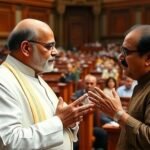
In a significant move, political strategist Prashant Kishor has publicly supported the NDA’s recent bills aimed at facilitating the removal of the Prime Minister and Chief Ministers in India. This endorsement has sparked discussions on constitutional implications and the original vision of India’s constitution makers. As we delve into the nuances of this decision, we explore what it means for Indian governance, democracy, and political stability.
Understanding the NDA Bills
The NDA (National Democratic Alliance) has introduced several legislative proposals that include provisions for the removal of PMs and CMs under specified circumstances. These bills aim to refine the existing provisions in the Indian Constitution, enabling a smoother process for accountability at the highest levels of government.
Prashant Kishor’s Position
Prashant Kishor, known for his strategic acumen in Indian politics, believes that the constitution makers had not entirely envisioned the contemporary dynamics of Indian politics. He suggests that the changes are necessary for upholding accountability in governance.
Reasons for Support
- Kishor argues that enhanced mechanisms for accountability can lead to more responsible leadership.
- He believes that the current political landscape demands a reevaluation of the powers held by PMs and CMs.
- His endorsement mirrors a growing sentiment for transparency and democratic integrity.
Constitutional Implications of the Bills
The NDA’s proposed bills raise important questions about the balance of power within the Indian political framework. Critics argue that these changes could undermine the stability of state governments and federal principles. Therefore, understanding the constitutional implications is crucial.
Potential Outcomes
- Increased political instability in certain states.
- A potential shift in the balance of power between the central and state governments.
- Greater scrutiny of elected officials, which could lead to positive governance.
Historical Perspectives on Governance
Throughout history, the Indian Constitution has evolved, reflecting the changing dynamics of its polity. The founding fathers envisioned a stable government but did not foresee the tumultuous nature of modern-day politics. Kishor’s assertion suggests the need for adaptive changes that align with current democratic challenges.
Moreover, it emphasizes the importance of dialogue among lawmakers, scholars, and the electorate. By revisiting historical perspectives, we can better appreciate how governance needs to adapt to ensure that democracy thrives.
The Role of Public Opinion
As the public becomes more aware of these proposed bills, their response will be crucial. Engaging citizens through discussions about the effectiveness and repercussions of such changes will shape the political landscape in the coming months.
Key Considerations for Citizens
- How do these changes affect their voting rights and representation?
- What implications will this have for local governance and community participation?
Conclusion
Prashant Kishor’s support for the NDA bills aimed at the removal of PMs and CMs indicates a pivotal moment in Indian politics. The changes propose a rethinking of accountability mechanisms, which could have lasting consequences for governance in India. As discussions evolve, it is vital for stakeholders to engage in constructive debates that honor the constitutional intent while adapting to modern political realities.