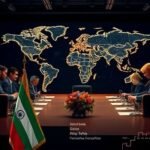
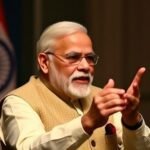
In a recent broadcast, Peter Navarro, former White House adviser, made headlines with his assertion that the ongoing conflict in Ukraine is essentially “Modi’s war.” This remark comes as Navarro criticized India’s continued purchases of Russian oil, which he believes contribute to Moscow’s military efforts against Ukraine. This article dives into Navarro’s peculiar logic and the wider implications of India’s actions in this global crisis.
The Context of the Ukraine Conflict
The Ukraine-Russia war, which escalated dramatically in February 2022, has drawn global attention and condemnation. Countries worldwide have rallied to support Ukraine through sanctions against Russia. However, India’s stance has been notably different, favoring a more neutral approach. While many nations have ceased buying Russian oil, India continues its imports, leading to intense scrutiny.
Peter Navarro’s Claims About India
Navarro’s statements paint India as a significant player in the geopolitical chess game surrounding the Ukraine conflict. He described India’s oil imports as a means by which Russia funds its military actions. In a statement on Bloomberg Television, he claimed, “India has been acting as a laundromat for the Kremlin.” This assertion resonates with his broader critique of countries maintaining economic ties with Russia amid ongoing violence.
The Allegation Explained
According to Navarro, India’s actions are enabling Russia to sustain its aggression. He argues that India’s reliance on Russian oil finances a war that threatens global stability. These claims highlight a complex issue: balancing economic interests with global ethical standards.
The Impact of India’s Oil Trade
India’s trade relationship with Russia complicates the international response to the war in Ukraine. While the West strives for a united front against Moscow’s aggression, India has sought to secure its energy needs amidst rising global prices. The implications of this decision can be analyzed through several lenses:
- Geopolitical Relations: India’s historical ties with Russia complicate its standing among Western allies.
- Economic Necessity: With soaring energy costs, India’s government prioritizes the stability of its economy.
- Security Concerns: India also faces security threats from neighboring countries, influencing its foreign policy decisions.
Navarro’s Viewpoint: A Misguided Perspective?
Critics of Navarro’s viewpoint argue that calling this conflict “Modi’s war” is not only misleading but oversimplifies the complex dynamics at play. By placing blame on India, Navarro risks fostering division rather than encouraging diplomatic solutions. Such comments can alienate potential allies in the fight against aggression.
The Broader Implications for Global Diplomacy
Navarro’s statements remind us of the intricate relationships nations maintain in the face of international crises. India’s role points to a broader dilemma: how do countries balance self-interests with moral obligations? The question of who shoulders the blame in conflicts like Ukraine involves nuanced considerations that defy simple labels.
Conclusion: A Call for Dialogue, Not Division
As the world grapples with the complexities of the Ukraine conflict, it’s essential to foster dialogue rather than division. While Peter Navarro’s remarks reflect genuine concerns over international oil trade and its implications for war financing, they must be approached with a nuanced understanding. India’s situation serves as a reminder that every country faces unique challenges that shape its foreign policy. In navigating this global conflict, collaboration and understanding will pave the way for lasting peace.