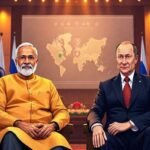
In a recent diplomatic meeting in China, Russian President Vladimir Putin utilized his Aurus limousine during a significant discussion with Indian Prime Minister Narendra Modi. This gesture is not merely a display of luxury; it is a strategic move reflecting Putin’s innovative approach to diplomacy, dubbed ‘limo diplomacy.’ As leaders around the globe assess their geopolitical alliances, this meeting exemplifies the deepening ties between Russia and India amidst a shifting international landscape.
The Significance of Limo Diplomacy
The concept of limo diplomacy revolves around using high-end vehicles as a symbol of prestige and power during diplomatic meetings. For Putin, the Aurus limousine serves a dual purpose: it reinforces Russia’s automotive industry while showcasing its technological prowess on the international stage.
Key aspects of limo diplomacy include:
- Symbol of Power: Luxury vehicles symbolize the importance of diplomatic relations.
- Showcasing Technology: The Aurus is a testament to Russian engineering, designed for global exposure.
- Personal Touch: Using a personal vehicle during meetings can create a sense of familiarity and rapport.
Meeting in Tianjin: A Strategic Overview
During their recent meeting in Tianjin, which lasted almost an hour, Modi and Putin engaged in discussions that aimed at reinforcing their nations’ special relationship. This meeting occurs against a backdrop of potential multi-billion dollar oil and gas deals with both China and India, indicating a future of increased economic collaboration.
The backdrop of this meeting included:
- Deepening Ties: Modi emphasized the unique bond India shares with Russia.
- Economic Opportunities: Potential energy deals highlight the economic significance of such alliances.
- Global Dynamics: The meeting also underlines the shift towards alliances that rival the US-led international order.
Modi and Putin: A Special Relationship
Prime Minister Narendra Modi has continuously asserted that India and Russia enjoy a ‘special’ relationship, one that stands strong even during global challenges. This bond stems from decades of cooperation across various sectors, including defense, energy, and technology. Modi’s recent embrace of Putin during their meeting further emphasizes this deep-rooted partnership.
Some vital points about the India-Russia relationship are:
- Historical Cooperation: The ties date back to the Cold War era.
- Defense Collaboration: India relies on Russia for military equipment and technology.
- Shared Interests: Both nations align their interests in counterbalancing Western influence.
Aurus: The Vehicle Behind the Diplomacy
The Aurus limousine is not just a mode of transport; it is a symbol of national pride for Russia. The car, designed for high-ranking officials, showcases Russia’s advancements in luxury automotive engineering. Each time Putin uses the Aurus, it sends a message of strength and prestige to other world leaders.
Features of the Aurus include:
- Luxury Interior: Designed for comfort and elegance, it caters to high-profile passengers.
- Security: Equipped with advanced protective features, ensuring the safety of its occupants.
- National Production: Represents Russian ingenuity in automotive manufacturing.
Geopolitical Implications of Recent Diplomacy
The recent meeting between Modi and Putin signals more than just a friendly engagement; it reflects the evolving geopolitical landscape in Asia. As China seeks to increase its influence, both India and Russia are finding common ground.
Essential geopolitical implications include:
- Strengthened Alliances: The India-Russia partnership can counterbalance rising Chinese power.
- Energy Security: Joint ventures in energy sources enhance both countries’ security.
- Trade Opportunities: Negotiating trade agreements can further solidify their economic ties.
Conclusion
Putin’s use of the Aurus limo during his meeting with Modi in China encapsulates a unique blend of luxury and diplomacy. This diplomatic move not only highlights the importance of the Indo-Russian relationship but also reaffirms both leaders’ commitments to strengthen economic and strategic ties in a rapidly changing world. As they navigate these complexities together, the future of their partnership looks promising.