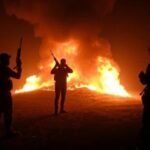
The Afghan Taliban has confirmed that they launched retaliatory attacks on Pakistani troops along the mountainous regions of the northern border. This escalation marks a significant development in the already tense relationship between the two countries, especially following recent accusations of military aggression. In this article, we will delve into the details of these border attacks, analyze the implications for both nations, and discuss the reactions from the international community.
The Context of the Border Tensions
The backdrop of these events is a long-standing conflict along the Afghanistan-Pakistan border, known as the Durand Line. This boundary has been a focal point of disputes for decades, affecting the diplomatic and military relationships between Afghanistan and Pakistan. The Afghan Taliban’s recent actions are reportedly a direct retaliation against Pakistan’s alleged bombing of a market within Afghanistan.
Recent Attacks by the Taliban
According to reports, the Taliban targeted Pakistani military positions in several locations. The attacks have resulted in casualties on both sides, escalating fears of a wider conflict.
- Locations of fighting: Multiple mountainous regions along the Durand Line.
- Casualties reported: Involved armed forces from both countries.
- Types of attacks: Small arms fire, artillery strikes, and possibly drone engagements.
Pakistan’s Airstrikes and Accusations
The situation intensified when Pakistan was accused of conducting airstrikes against Taliban positions, specifically targeting a market. This has further fueled hostilities and accusations, with each side blaming the other for initiating the violence.
Key points of contention include:
- Pakistan’s alleged airstrikes aimed at curbing Taliban incursions.
- Claims of cross-border terrorism originating from Taliban-controlled regions.
- The Taliban’s insistence on their right to retaliate against acts of aggression.
International Reactions to the Border Conflict
The conflict has garnered attention from international players, including Iran and Qatar, who have called for restraint and dialogue. These nations are concerned that increased hostilities could destabilize the region further.
Responses from the international community include:
- Calls for both parties to engage in diplomatic discussions.
- Concerns over the humanitarian impact of increased military action.
- Efforts to mediate and de-escalate tensions, particularly from neighboring countries.
Historical Roots of Conflict
The underlying issues contributing to the current tensions date back to historical grievances. The durability of the Durand Line as a border has been questioned, and it remains a symbol of colonial legacies affecting relations between the two nations.
Key historical factors include:
- Ethnic divisions that span the border, creating complex identities.
- Previous military engagements that have shaped current allegiances and enmities.
- Influence of external powers in the region, complicating the local dynamics.
The Way Forward: Prospects for Peace
For any hopes of peace, both the Afghan Taliban and the Pakistani government need to assess their military strategies and diplomatic approaches. Finding a balance between security and dialogue may pave the way for a resolution.
Negotiation strategies could involve:
- Establishing a ceasefire agreement to suspend military actions temporarily.
- Engaging neutral mediators to help facilitate discussions.
- Addressing mutual grievances through a framework that respects sovereignty.
Conclusion
In conclusion, the recent confirmation of retaliatory border attacks by the Afghan Taliban highlights the fragile state of relations between Afghanistan and Pakistan. The escalation of hostilities could have far-reaching implications for both countries, necessitating urgent calls for peace and dialogue. The international community plays a crucial role in mediating these disputes, but solutions must ultimately come from within.