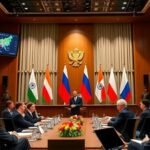
The recent meeting between India’s External Affairs Minister, S. Jaishankar, and Russian President Vladimir Putin in Moscow has captured global attention. This significant encounter comes at a time of escalating tensions between the United States and Russia, particularly concerning tariffs on oil and energy imports. Jaishankar’s firm stance against US tariffs while strengthening ties with Russia marks a pivotal moment in India’s foreign policy strategy.
Context of the Meeting
Jaishankar’s visit to Moscow was timely, occurring just hours after he had productive discussions with key Russian officials, including Denis Manturov and Sergei Lavrov. The backdrop of these meetings is marked by geopolitical conflicts and trade tensions, particularly with respect to tariffs imposed by the United States on various imports.
India’s Energy Strategy
During the discussions, Jaishankar made a significant declaration: “We have done everything asked of us in the past to stabilize the global energy market, including buying oil from Russia.” This statement underlines India’s commitment to pursuing energy security independently while navigating international relations.
Commitment to Stabilization
- India has consistently taken steps to ensure a stable energy market.
- Buying oil from Russia is a strategic move to diversify energy sources.
Responding to US Tariffs
Jaishankar’s remarks regarding the US tariffs highlight India’s pushback against what he termed “tariff bullying.” The imposition of tariffs on energy imports can create significant economic repercussions not only for India but also for the global energy market.
Impact on US-India Relations
These tensions are reflective of a broader narrative in US-India relations, which are complex and multifaceted. Jaishankar’s visit aims to reassure Russia of India’s commitment and to send a clear message to the US about the need for fair trade practices.
Deepening Russia-India Ties
Jaishankar’s meetings in Moscow are also indicative of the deepening strategic alliance between India and Russia. With shared interests in global stability, the two nations are likely to enhance cooperation in various sectors, particularly energy and defense.
Benefits of Enhanced Cooperation
- Strengthening defense ties amid regional security challenges.
- Facilitating energy supply chains to ensure energy security.
Geopolitical Implications
The developments in Moscow carry significant geopolitical implications. As India asserts its independence in foreign policy, it sets a precedent for other nations to consider alternative partnerships beyond the traditional power dynamics dominated by the US.
Global Energy Dynamics
Engaging with Russia on energy issues not only benefits India but also contributes to the recalibration of global energy dynamics. A diversified energy portfolio allows India to mitigate the risks associated with over-reliance on any single country.
Conclusion
Jaishankar’s meeting with Putin in Moscow marks a crucial chapter in India’s foreign relations, particularly against the backdrop of US tariff pressures. By solidifying ties with Russia, India is taking a strategic approach to enhance its global standing and ensure energy security. The ongoing developments signal a more assertive India on the world stage, willing to challenge established powers while pursuing its national interests.