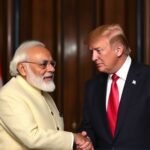
The recent agreement between former President Donald Trump and Israeli Prime Minister Benjamin Netanyahu regarding a US-backed peace plan for Gaza has stirred responses from world leaders. Their consensus on the controversial proposal highlights a significant moment in middle eastern diplomacy. As tensions in the region remain high, the reactions from various global leaders provide insight into the larger implications of this ambitious plan.
Understanding the US-Backed Gaza Plan
The US-backed Gaza plan aims to bring a structured solution to the ongoing conflict. Trump has stated that the plan reflects mutual trust and cooperation. He highlighted Netanyahu’s commitment to the initiative, suggesting that it could significantly reduce violence in the region.
Netanyahu’s Strong Support for the Peace Plan
Netanyahu expressed gratitude towards Trump for the efforts involved in shaping the peace deal. In a released video message, he praised the proposal, saying it aligns with Israel’s objectives:
- Strengthening Israel’s security.
- Ensuring a lasting peace in Gaza.
- Addressing humanitarian needs in the region.
The Israeli Prime Minister’s administration sees this plan as potentially turning the tables in their ongoing conflict with Hamas.
Responses from Arab and Muslim World Leaders
Following the announcement, several leaders in the Arab and Muslim world welcomed the peace plan. Their responses are essential in discerning regional sentiments:
- The Palestinian Authority expressed support for Trump’s peace initiative.
- Several Gulf nations praised the potential for a solution to the Gaza crisis.
These leaders recognize that the US-sponsored initiative might be a step towards stability in Gaza, despite the skepticism surrounding the effectiveness of such peace plans in the past.
International Concerns and Challenges Ahead
While many have welcomed the proposal, concerns about the plan’s execution loom large. Critics argue that:
- The plan could exacerbate existing tensions.
- Hamas has not officially received the details, raising questions about legitimacy.
- Implementation of the proposed measures might face resistance.
These challenges can hinder progress and further complicate the peace process, as the historical context of mistrust remains palpable.
The Role of Key Players: US and Israel
The dynamics of the US and Israel play a crucial role in this peace plan. Trump’s administration has been vocal about its backing, which reflects a long-standing alliance. However, the reaction from global communities also indicates a need for broader involvement in the peace talks.:
- International organizations must engage more actively.
- Multilateral discussions could enhance territorial negotiations.
The unfolding situation highlights the necessity of collaboration among nations for lasting peace in Gaza.
Conclusion
As world leaders react to the recent agreement between Trump and Netanyahu, it becomes clear that the US-backed peace plan is a pivotal moment for Gaza. While there is a shared hope for stability, significant challenges remain. The coming months will be crucial in determining whether this new initiative can truly bring an end to the ongoing conflict. Only through cooperation and commitment from all parties will progress be possible.