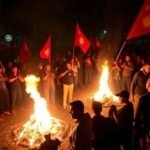
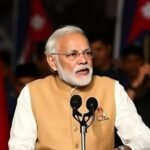
Nepal has recently witnessed a significant political upheaval following substantial anti-corruption protests that led to Prime Minister K.P. Sharma Oli’s resignation. The protests, sparked by allegations of government corruption, resulted in violent clashes leaving at least 19 people dead. As the situation unfolds, the plea for restraint is echoed by both the President and the Army. This article delves into the events surrounding these intense protests, the resignation of Oli, and its implications for Nepal’s future.
Background of the Protests
The protests erupted on September 7, fueled by widespread accusations of corruption within the Nepalese government. Citizens, particularly the youth, took to the streets demanding accountability and transparency. The government’s alleged actions, including blocking social media, exacerbated the situation and incited anger among the younger generation, known as ‘Gen Z protesters.’
The Resignation of K.P. Sharma Oli
On September 9, Prime Minister K.P. Sharma Oli resigned following two days of violent demonstrations. His departure was a direct response to the growing public outrage over corruption allegations and the intense pressure from demonstrators who defied an indefinite curfew.
- Resignation comes amid rising political tensions.
- Protests led to the burning of parliament buildings.
- Oli’s government faced accusations of mishandling public grievances.
Violence and Its Consequences
The violence that erupted during the protests marked a tragic outcome, with numerous injuries and fatalities reported. The discontent among the populace turned into chaotic scenes of demonstrations, with clashes between protestors and law enforcement.
Some key points regarding the violence:
- 19 confirmed dead and many more injured.
- Protestors set parts of the parliament on fire.
- The Army and local police struggled to maintain order amidst the chaos.
Government Response and Calls for Restraint
In light of the turmoil, Nepal’s President and military leaders have urged for calm and restraint. The government is under immense pressure to address the underlying issues that fueled the protests. Key responses include:
- A plea for dialogue between the government and opposition.
- Calls for an independent investigation into the allegations of corruption.
- Efforts to restore internet access and social media platforms.
Implications for Nepal’s Political Future
Oli’s resignation may open a new chapter for Nepal. It poses questions about the future leadership and stability of the nation. The political landscape in Nepal could face significant changes as new leaders rise to fill the power vacuum. Citizens are now left to ponder:
- Will new leadership effectively tackle corruption?
- How might these events influence public trust in the government?
- What reforms can be anticipated in the near future?
Conclusion
The resignation of K.P. Sharma Oli amidst violent anti-corruption protests marks a critical turning point in Nepal’s political landscape. As the nation grapples with the aftermath of these events, the focus will be on how new leadership addresses the deep-rooted issues of corruption and public discontent. The call for systemic change grows louder, and the need for transparency and accountability has never been more pressing.