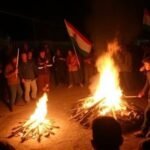
The ongoing protests in Ladakh have escalated, resulting in tragic consequences including the deaths of at least four individuals. Thousands have taken to the streets, demanding statehood and other essential rights. This article explores the reasons behind this unrest, government allegations, and the core demands fueling the protests.
Background of the Ladakh Protests
In recent days, Ladakh has witnessed massive protests characterized by a demand for statehood and various other rights. These demonstrations have turned violent, with reports of injuries and casualties mounting.
Casualties and Government Response
On Wednesday, disturbances in Leh led to the tragic deaths of four protesters. According to reports, over 50 individuals have been injured in the clashes between locals and law enforcement agencies. The situation escalated as police and paramilitary forces reportedly opened fire on demonstrators.
Activist Claims and Government Allegations
The Centre has stated that the violence was influenced by political motivations and provocative statements from activists, particularly one named Sonam. This has led to accusations of sabotage against certain groups aiming to destabilize the region.
Key Demands of the Protesters
The core of the unrest lies in four critical demands articulated by the youth of Ladakh:
- Statehood: The primary demand is for Ladakh to be granted statehood, allowing for greater self-governance and autonomy.
- Jobs and Economic Development: Protesters are calling for job opportunities and economic programs to empower the local population.
- Preservation of Culture: Ensuring the preservation of the unique cultural identity of Ladakh amidst growing concerns about outside influences.
- Legal Protections: The implementation of legal frameworks to safeguard the land and resources of Ladakh for its indigenous people.
The Role of Youth in the Protests
The protests in Ladakh are significantly youth-led, highlighting the aspirations and frustrations of younger generations. Many young people feel sidelined in national discussions regarding their future.
Social Media as a Mobilization Tool
Social media has played a crucial role in mobilizing the youth of Ladakh, facilitating communication and coordination for protests. Platforms like Facebook and WhatsApp have allowed activists to share information and rally support effectively.
Potential Consequences of the Unrest
The situation in Ladakh is precarious. Continued unrest may lead to further casualties, strained community relations, and increased military presence. The government’s approach will be critical in addressing the protesters’ demands and restoring calm.
Conclusion
The tragic events in Ladakh serve as a poignant reminder of the complexities within regional autonomy issues in India. As the protests continue, the demand for statehood remains at the forefront. Stakeholders must engage in dialogue to find solutions that respect the wishes of the people of Ladakh while maintaining stability in the region.