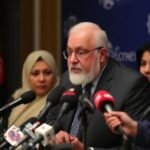
The recent press conference held by Afghan Foreign Minister Amir Khan Muttaqi in Delhi sparked significant controversy, primarily due to the exclusion of women journalists. The Indian Ministry of External Affairs (MEA) swiftly responded to claims of their involvement, emphasizing their lack of participation in the event. This incident has stirred outrage and criticism, especially as it highlights the ongoing challenges women face in journalism, particularly in Afghanistan.
Background on the MEA’s Involvement
The MEA issued a statement clarifying that they had no role in the organization of the press conference. Officials from the ministry stated clearly: “MEA had no involvement in the press interaction held yesterday by Afghanistan’s Foreign Minister, Amir Khan Muttaqi, in Delhi.” This statement aims to allay fears of any governmental bias or interference.
Details of the Press Conference
The press conference, which took place in Delhi, has drawn scrutiny not just for the absence of women journalists but also for the circumstances surrounding the event. While the international community has been watching developments in Afghanistan closely, such instances spotlight the precarious situation that female journalists face under Taliban rule.
Key Points from the Press Conference:
- Afghan Foreign Minister Amir Khan Muttaqi addressed key issues concerning Afghanistan’s future.
- The venue was packed with journalists, yet no women were present among them.
- Social media erupted with criticism following the event.
Response from the Government
In the wake of the backlash, officials within the MEA have reiterated their non-involvement. The government aims to clarify misconceptions and dissociate itself from any decisions made regarding participant selection for the press interaction. The exclusion of women journalists from the press event has been vigorously condemned.
Reactions from Civil Society
The exclusion of women journalists prompted a wave of criticism from various human rights organizations and civil society members. Many expressed their dismay over the treatment of female reporters in Afghanistan, raising concerns about the implications for press freedom and gender equality.
Statements from Advocacy Groups:
- Human Rights Watch condemned the actions and called for accountability.
- The Committee to Protect Journalists highlighted the challenges faced by women in media.
The Importance of Women in Journalism
The recent controversy has sparked a broader conversation about the essential role women play in journalism. Their voices are crucial for comprehensive reporting, especially from regions like Afghanistan, where their perspectives can be both unique and vital to the narrative.
Benefits of Inclusion:
- Enhances diversity in reporting.
- Provides different perspectives on issues affecting society.
- Encourages equality and representation in media.
Conclusion
The incident surrounding Afghan FM Muttaqi’s press conference serves as a stark reminder of the ongoing struggles women face in the field of journalism. The MEA’s firm stance on its non-involvement indicates an awareness of the sensitivities involved. As the global community continues to advocate for women’s rights and representation in media, it remains imperative for all sectors to foster an environment conducive to inclusivity. The conversation around this topic is more critical than ever, especially as we aspire to uphold principles of press freedom and equality.