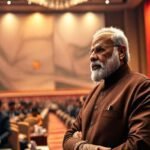
As global dynamics shift and geopolitical tensions rise, Narendra Modi’s recent comments about India’s relationship with Russia are both timely and significant. At a recent meeting with President Vladimir Putin, Modi emphasized that India and Russia have consistently stood by each other during challenging times. This strong partnership is essential for both nations as they navigate an ever-changing international landscape.
The Significance of India-Russia Relations
For decades, India and Russia have maintained a robust relationship marked by mutual respect and cooperation. The historical ties developed during the Cold War era have evolved to encompass various sectors, including defense, technology, and energy.
- Defense: India relies on Russia for a significant portion of its military equipment.
- Energy: Both countries collaborate on numerous energy projects, which are crucial for India’s growing economy.
- Technology: India and Russia engage in extensive technological exchange, benefitting both nations.
Mutual Support During Global Crises
Modi’s statement underscores the solidarity between India and Russia even in tumultuous situations. Such partnerships in challenging times reflect the resilience of diplomatic relations. Amidst strained global ties, both countries have showcased their ability to support one another.
Take, for example, the recent global energy crisis. India and China have emerged as major purchasers of crude oil from Russia, indicating a strategic alignment in energy security. This cooperation helps both nations mitigate the impact of unfavorable international economic policies.
The Economic Implications of the Partnership
In an ever-evolving economic landscape, the collaboration between India and Russia is not just political; it has tangible economic benefits. India’s reliance on Russian energy is growing, and figures show a significant increase in trade between the two nations.
Key economic points include:
- Increased crude oil imports from Russia to India.
- Strengthened investment opportunities in various sectors, including technology and agriculture.
- Collaborations in defense production, enhancing self-reliance for India.
Geopolitical Considerations
The geopolitical landscape is increasingly complicated, with new alliances forming and traditional ones being tested. Modi’s reaffirmation of India-Russia ties is significant in the context of global politics. The collaboration serves as a counterbalance to Western influence, particularly from the United States.
Furthermore, this partnership solidifies both nations’ positions in organizations such as the Shanghai Cooperation Organization (SCO), where they can address regional security and economic issues collaboratively.
A Future of Cooperation
Looking ahead, the ongoing partnership between India and Russia is likely to deepen further. As both countries face similar challenges, their joint efforts can lead to greater stability and a more balanced world order.
Future areas of cooperation may include:
- Joint initiatives in renewable energy, addressing climate change together.
- Enhanced cooperation in technology sectors, particularly in space and cyber.
- Refining economic ties to boost trade significantly.
Conclusion
In conclusion, Narendra Modi’s assertion that India and Russia stand shoulder to shoulder is more than a diplomatic phrase. It reflects a longstanding bond rooted in historical ties and strategic interests. As both countries work together to navigate complex global landscapes, their partnership will remain crucial. The collaboration is pivotal not just for their national interests but also for promoting stability in an uncertain world.