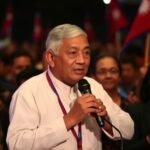
Nepal is currently witnessing a wave of protests that have resulted in significant unrest in Kathmandu. The government’s recent decision to impose an indefinite curfew is a direct response to violent clashes between security forces and protesters. These protests erupted following a controversial ban on social media platforms, leading to tragic consequences including the loss of 19 lives.
Understanding the Context of Nepal’s Protests
The unrest in Nepal began when the government implemented a ban on 26 social media platforms. This ban ignited public outrage, primarily among Gen Z activists who rely heavily on these platforms for communication and organization. Protests quickly escalated, resulting in clashes that have left many injured and 19 people dead.
The Government’s Response to the Protests
In an effort to regain control and prevent further violence, the Nepalese government declared an indefinite curfew in Kathmandu. This decision, however, raises questions about civil liberties and the right to protest. Critics argue that the curfew stifles free speech and peaceful assembly.
Lifting the Social Media Ban
Interestingly, less than a day after the curfew was imposed and in response to escalating violence, the government lifted its social media ban. This move appears to be an attempt to quell public dissatisfaction and restore normalcy while allowing citizens to communicate and organize more freely.
Why Social Media Matters to Gen Z
For the youth of Nepal, especially Gen Z, social media is not just a tool for entertainment; it’s a vital platform for activism and social change. The ban represented a significant infringement on their ability to mobilize for their rights.
- Social media plays a crucial role in organizing protests.
- Platforms allow for real-time updates and information sharing.
- It serves as a space for youth voices to be heard.
The Impact of the Protests
The protests in Nepal have highlighted deep-rooted issues within the society, including corruption, governance, and the demand for greater transparency from leadership. The violence and the ensuing curfew have sparked widespread fear and discontent among the populace.
Key Events in the Ongoing Protests
The protests have seen numerous notable developments:
- Indefinite curfew imposed in Kathmandu.
- 19 fatalities reported, with hundreds more injured.
- Social media platforms unblocked in an attempt to ease tensions.
What Lies Ahead for Nepal?
As the situation continues to evolve, the future of Nepal’s political climate remains uncertain. Will the government reevaluate its approach to media and assembly? The persistence of these protests suggests there is significant public demand for reform and accountability.
How Can Citizens Make Their Voices Heard?
In light of the current curfew and restrictions, citizens are exploring alternative methods to express their solidarity and demands:
- Utilizing global social media platforms for awareness.
- Creating art and messages to spread their cause.
- Joining community organizations for coordinated efforts.
Conclusion
The ongoing protests in Nepal serve as a stark reminder of the power of youth activism and the importance of social media in modern movements. As the government grapples with its response to public outcry, the eyes of the world remain on Kathmandu. Will the government listen to its citizens and make necessary changes? The coming days will be critical for both the protesters and the Nepalese government.