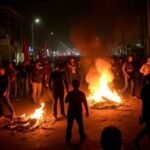
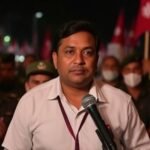
In recent days, Nepal has witnessed a surge of protests from Generation Z, demanding the removal of a controversial social media ban imposed by Prime Minister K P Sharma Oli’s government. In a bold statement, PM Oli labeled these young protesters as “troublemakers,” further escalating the tensions between the government and the youth. This article will delve into the ongoing protests, the government’s response, and the implications for Nepal’s future.
The Background of the Protests
The social media ban comes in the wake of rising political tensions and dissatisfaction among the youth in Nepal. Many young people in Nepal rely on platforms like Facebook and Twitter to voice their opinions and mobilize support for their causes.
What Sparked the Unrest?
The protests were sparked by widespread accusations of government negligence and corruption, particularly regarding the handling of the COVID-19 pandemic. Young people, frustrated by misinformation and a lack of transparency, turned to social media to organize protests and demand accountability.
Prime Minister Oli’s Response
Prime Minister Oli’s dismissive remarks about Gen Z protesters reflect a broader trend of political leaders underestimating the power and influence of young people. By labeling them as “troublemakers,” PM Oli aims to delegitimize their grievances and concerns.
Government’s Rationale for the Ban
The government claims that the social media ban is necessary to maintain order and prevent the spread of misinformation. Officials argue that unchecked online discourse can lead to unrest and violence, hence the protective measures.
The Impact of Social Media in Nepal
Social media plays a pivotal role in shaping public opinion and mobilizing protests around the globe. In Nepal, it has become a powerful tool for activist movements, especially among the youth.
- Increased connectivity among young people.
- Rapid dissemination of information and news.
- Enhanced ability to organize protests and rallies.
By imposing a social media ban, the government risks alienating the youth further and fueling their frustration. This could lead to more significant unrest if not addressed promptly.
Public Reaction to PM Oli’s Stance
Public sentiment appears largely against PM Oli’s characterization of the youthful protesters. Many citizens support their demands for freedom of expression and government accountability.
Generational Divide
The tensions reveal a stark generational divide in Nepal, with older politicians often dismissive of young people’s concerns. This divide raises questions about how future leaders will navigate the changing political landscape.
The Road Ahead for Nepal’s Youth
As protests continue to unfold, it remains to be seen how the government will respond to the increasing demands from the younger generation. Many are calling for structural changes to address issues like corruption, accountability, and the protection of civil liberties.
Possible Outcomes
The protests could lead to various outcomes, including:
- A possible change in government policies regarding internet freedom.
- Increased engagement between the government and youth activists.
- Potential political reforms aimed at addressing the youthful discontent.
Conclusion
The Gen Z protests in Nepal mark a significant moment in the country’s political landscape. Prime Minister Oli’s refusal to lift the social media ban and his characterization of the youth as troublemakers could spell trouble for his administration. As young people continue to assert their demands, it is crucial for the government to recognize their voices and engage in constructive dialogue to avoid further unrest. The outcome of these protests could significantly shape the future of democracy in Nepal.