Nepal has recently lifted its controversial ban on social media platforms. This decision came on the heels of mass protests that resulted in the tragic deaths of 19 individuals. The protests were fueled by public outrage over the government’s actions and alleged corruption. In this article, we will explore the events leading to the ban’s lift, the public response, and the broader implications for Nepal.
The Background of the Social Media Ban
Prior to the protests, Nepal’s government instituted a social media ban. Authorities claimed it was necessary for maintaining public order amidst rising tensions. However, many citizens saw it as an attack on freedom of expression.
The Protests Erupt
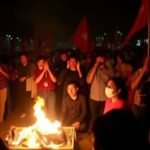
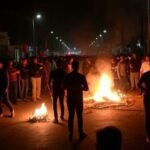
Following the imposition of the social media ban, protests began to erupt across Nepal. Demonstrators voiced their frustrations against the government, demanding the lift of restrictions on social media. The protests escalated, leading to violent clashes between protestors and security forces.
Key Reasons Behind the Protests
- The government’s social media ban.
- Widespread allegations of corruption.
- A growing demand for transparency and accountability.
The Violent Clashes and the Toll
The protests turned deadly as clashes erupted between demonstrators and riot police. Reports indicate that at least 19 people were killed, with many more injured. The violence drew national and international attention.
The Government’s Response
In response to the violent protests, on Tuesday, a government minister announced the lifting of the social media ban. Minister Gurung stated, “We have withdrawn the shutdown of social media. They are working now.” This move was seen as an attempt to quell tensions and address public discontent.
Implications of the Lifted Ban
By lifting the social media ban, the Nepalese government has taken a step towards restoring communication channels for citizens. However, this decision comes with several implications:
- Public scrutiny of government actions may increase.
- Social media platforms can serve as a tool for mobilizing further protests.
- The relationship between the government and the populace may remain strained unless accountability measures are implemented.
Conclusion
As Nepal moves forward after a tumultuous period of protests and violence, the lifting of the social media ban represents a significant, albeit cautious, shift. Generational voices, particularly among Nepal’s Gen Z, are increasingly demanding openness and accountability from their government. The impact of this change remains to be seen, but it marks a crucial moment in Nepal’s ongoing journey toward democratic expression.