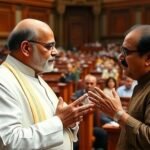
The Monsoon Session of Parliament has kicked off with significant activity as Home Minister Amit Shah introduces three crucial bills. These bills are aimed at major legislative reforms that will impact the governance structures in India. This blog provides live updates and an overview of the bills, analyzing their expected implications for the political landscape.
Key Details on the Bills Introduced
On August 20, 2025, Amit Shah presented three important draft laws to the Lok Sabha. Among these bills are:
- The Constitution (130th Amendment) Bill, 2025
- The Government of Union Territories (Amendment) Bill 2025
- The Removal of Prime Minister and Chief Ministers Bill
These bills have been proposed to enhance various governance frameworks and procedures in the Indian political system.
Understanding the Constitution (130th Amendment) Bill, 2025
The Constitution (130th Amendment) Bill introduces pivotal changes to improve the existing legislative and governance framework. This bill is significant as it aims to empower Parliament with enhanced functions and responsibilities.
Key Objectives of the Bill:
- Streamlining parliamentary processes
- Enhancing legislative accountability
- Improving transparency within government operations
Such provisions ensure a more responsive legislative body and accountable governance.
Overview of the Government of Union Territories (Amendment) Bill, 2025
This bill seeks to amend existing laws governing Union Territories. It addresses current challenges in administration and governance.
Main Highlights:
- Decentralization of powers to enhance local governance
- Greater autonomy for Union Territories
- Promotion of development initiatives at local levels
The amendment is expected to foster a more robust framework for governance in Union Territories, enhancing the quality of life for their residents.
The Removal of Prime Minister and Chief Ministers Bill
This proposed bill presents a radical shift in the political landscape. It outlines the processes for the removal of a sitting Prime Minister or Chief Minister.
Implications of the Bill:
- Potential for increased political accountability
- Establishment of a clear framework for removal procedures
- Repercussions on political stability and party dynamics
The ramifications of this bill could redefine political maneuvering in the country, ensuring leaders remain accountable to the electorate.
Expected Path Ahead for the Bills
After introduction, these three bills will be forwarded to the Joint Parliamentary Committee for further discussion. This process is crucial for scrutinizing the details and implications of the proposed measures.
Stakeholders, including political parties and civic societies, will be monitoring these developments closely. Public opinion may also play a significant role in shaping the final outcomes of these bills.
Conclusion: What’s Next for the Monsoon Session?
The introduction of these three bills by Home Minister Amit Shah marks a significant moment in the Monsoon Session of Parliament. As they move to the Joint Parliamentary Committee, it will be vital to observe the discussions and debates that ensue.
These bills have the potential to reshape governance in India, and the consequences of their passage will resonate throughout the political landscape. Stay tuned for live updates as the session progresses, providing insights on how these legislative changes could impact the nation.