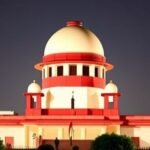
In a shocking incident that has stirred the Indian legal and religious communities, a shoe was thrown at Chief Justice BR Gavai during a Supreme Court session. The event unfolded after the Chief Justice made remarks about the Hindu deity Vishnu, inciting anger from Rakesh Kishore, a 71-year-old lawyer. This incident raises questions about religious sentiments, freedom of expression, and the role of the judiciary in India.
What Happened at the Supreme Court?
On a normal day in the Supreme Court, tensions escalated dramatically. Rakesh Kishore hurled his shoe at the Chief Justice, voicing his agitation with slogans linked to “Sanatan Dharma,” a term often associated with Hinduism.
- The incident took place in the court premises.
- Kishore expressed his anger directly towards the remarks made by Justice Gavai.
- The act is seen as a profound disrespect to judicial authority.
Understanding the Remarks Made by Chief Justice BR Gavai
The Chief Justice’s comments about Lord Vishnu have been cited as the catalyst for this outburst. It is essential to note that discussions about religious figures can ignite passionate responses within various communities.
In the context of a secular nation like India, the intersection of religion and law is often contentious. Judicial remarks about any religious belief must be navigated carefully to maintain harmony.
The Role of Religion in Indian Society
India is a diverse nation with a multitude of religions, making it a melting pot of cultural and spiritual beliefs. Hinduism, in particular, plays a vital role in the country’s socio-political landscape.
Key points include:
- Hinduism is practiced by over 80% of the Indian population.
- There is a deep-seated respect for deities, making any perceived slights toward them sensitive.
- The concept of ‘Sanatan Dharma’ emphasizes eternal truth and righteousness within the religion.
The Implications of This Incident
This incident has sparked debates about the limits of free speech in India. How should the judiciary balance respect for religious beliefs with the need for frank judicial dialogue?
Additional considerations include:
- Potential backlash from the legal community and the public.
- The impact on the judiciary’s relationship with religious groups.
- Future discussions about the sensitivity surrounding religious topics in court proceedings.
Public Reactions and Media Coverage
The shoe-throwing incident has garnered immense media attention. Social media platforms exploded with reactions ranging from outrage to calls for restraint. Many individuals expressed valid concerns regarding the expression of dissent and how it was displayed.
Prominent opinions include:
- Some defended Kishore’s right to protest but criticized the method.
- Others emphasized the need for respect towards judicial figures.
- Legal experts cautioned against normalizing such forms of protest in the court system.
Future Considerations
As this incident unfolds, it raises several questions for Indian society. Will there be a call for reforms regarding how religious remarks are treated in the courtroom? Furthermore, how will the judicial system react to safeguard its dignity while respecting religious sentiments?
Only time will tell how this incident will influence the relationship between the judiciary and the public. It serves as a stark reminder of the delicate balance between law and religion in India.
Conclusion
The shoe thrown at India’s Chief Justice BR Gavai is more than just an isolated incident; it highlights the intersection of law, religion, and social dynamics in India. This event could potentially shape future discourse on how judicial commentary interacts with the deeply held beliefs of its citizens. As the nation moves forward, the emphasis on respectful dialogue will be crucial to maintain peace and uphold the integrity of the judicial system.