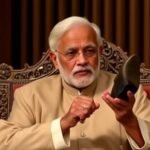
The recent incident involving the shoe thrown at India’s Chief Justice BR Gavai has sent shockwaves through the nation. This event, rooted in a religious controversy, reflects the sensitive nature of religious sentiments in India. Many view this episode as a significant moment in the ongoing discussion about freedom of expression, especially within the context of India’s diverse religious landscape.
Incident Overview: Shoe Attack on Chief Justice
On October 6, 2025, an Indian lawyer hurled a shoe at Chief Justice BR Gavai during a session in the Supreme Court. The lawyer’s action was reportedly fueled by perceived derogatory remarks made by the judge about the Hindu god Vishnu. This shocking act has raised questions about respect for judicial figures and the boundaries of free speech.
The Context of Religious Sensitivity in India
India is home to a multitude of religions, with Hinduism being the majority faith. Religious sentiments are deeply woven into the fabric of Indian society. A critical examination of this incident reveals how judicial statements can provoke strong emotional reactions from individuals.
Reactions from the Public
- The incident sparked outrage among various communities.
- Some condemned the lawyer’s actions, emphasizing the need for dialogue over violence.
- Others expressed sympathy for the lawyer, arguing about the impact of perceived disrespect toward religious figures.
Free Speech vs. Religious Sentiments
This incident underscores a pivotal debate in Indian society: the balance between free speech and religious sentiments. Critics argue that judges should be free to express their views without fear of backlash. Yet, others contend that such expressions must consider the impact on deeply-held beliefs.
Legal Perspectives on the Incident
Legal experts view this incident through various lenses:
- Judicial Independence: It’s crucial to maintain the independence of the judiciary, where judges should feel safe to express their opinions.
- Respect for Religion: Many believe that judges should exercise caution in comments about religion to prevent misinterpretations.
- Public Outrage: The response illustrates how quickly misinformation can incite anger, leading to voter reactions.
Comments from Legal Authorities
India’s Solicitor-General, Tushar Mehta, commented on the incident, attributing it to misinformation circulating on social media. He argued that the attack was unprovoked and reflected a growing trend where false information can influence public behavior.
The Role of Social Media
Social media platforms play a significant role in the dissemination of information:
- They can amplify misunderstandings.
- They often lack a check on factual accuracy, which can lead to unwarranted outrage.
Implications for India’s Judicial System
This shoe-throwing incident raises crucial questions about the sanctity of the judicial system in India. It highlights the need for a greater understanding of how judicial remarks are interpreted in the public sphere. Moreover, it poses serious implications regarding the safety of judicial figures in India.
Conclusion: A Call for Constructive Dialogue
In light of the shoe attack on Chief Justice BR Gavai, the need arises for open and constructive dialogue about religious sentiments and expression in India. While it is essential to protect free speech, it is equally crucial to respect the beliefs that many hold dear. Moving forward, the country must navigate these sensitive waters carefully, fostering an environment where ideas can be exchanged respectfully without fear of reprisal.