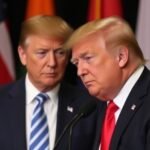
The ongoing conflict in Ukraine has significantly impacted global economics, especially concerning oil trade. Recently, US Treasury Secretary Scott Bessent claimed that imposing tariffs on countries buying Russian oil can lead to a complete collapse of Russia’s economy. As tensions rise, this bold assertion raises questions about the effectiveness of tariffs and sanctions in influencing Russia’s actions.
Understanding the Context of the Tariffs
US Treasury Secretary Scott Bessent believes that secondary sanctions on countries such as India and China could severely disrupt Russia’s oil revenue, pushing its economy towards collapse. These nations have continued to purchase Russian oil despite the ongoing rise of international pressures.
The Role of Tariffs in Economic Pressure
Tariffs are taxes imposed on imported goods. In this context, the Trump administration has proposed a 50% tariff on oil imported from Russia. The objective is clear: exert pressure to limit Russia’s funds to sustain its military actions.
Potential Impacts of Tariffs on Oil-Buying Nations
- Increased oil prices due to tariffs
- Economic strain on India and China
- Potential loss of access to Russian oil
By taxing oil imports, the US hopes to make it less economically viable for countries like India and China to persist in their purchase of Russian oil. The economic consequences could be severe, not just for Russia but for the buyers as well.
Support from the European Union
The call for more sanctions is not just coming from the US. European Union members have echoed similar sentiments. They are under pressure to tighten the noose on Russia’s oil revenue as the war in Ukraine continues.
Secretary Bessent stated, “If the US and EU can implement more sanctions, the Russian economy will be on the brink of collapse.” This unified stance indicates a collective effort to undermine Russia’s financial stability.
Concerns About US Economic Reliability
However, Bessent noted an inherent risk in this strategy. He expressed worry that excessive tariff policies could backfire, threatening the reliability of US commitments internationally. Such erosion of trust in US economic policies can lead to instability in US economic relations globally.
Historical Context of US Sanctions
This is not the first time the US has imposed economic sanctions. Historically, sanctions have had mixed results. They have succeeded in some cases but have also faced criticism for harming the very populations they aim to protect.
The effectiveness of tariffs as a policy tool is often debated. Can they really drive nations to change their behavior? This question remains unanswered as the geopolitical landscape continues to evolve.
Conclusion: Future Implications of Tariffs on Russian Economy
As the US Treasury Chief emphasizes, tariffs on countries buying Russian oil could lead to a significant collapse of Russia’s economy. This strategy might also invite consequences for countries like India and China, impacting their economies as well. However, ongoing discussions about the potential risks and rewards of such measures display the complexity of international relations.
The future remains uncertain as we witness the unfolding of these economic policies. While the intention to curb Russian aggression is clear, the ramifications of tariffs and sanctions must be carefully considered to avoid unintended consequences for the global economy.