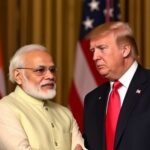
Recent developments have shown a significant shift in US President Donald Trump’s stance towards India. Former Indian diplomat KP Fabian has provided insights into this change, suggesting that Trump is beginning to realize the flaws in his earlier aggressive trade tactics directed at India. This blog post delves into Fabian’s analysis of Trump’s softened tone and the implications of the imposed tariffs.
Understanding Trump’s Trade Tariffs
In the past, President Trump had imposed enormous trade tariffs on India, most notably a 25% tariff on various goods. These tariffs were seen as an attempt to leverage trade negotiations in favor of the United States. However, the effectiveness of this tactic has come under scrutiny.
KP Fabian’s Criticism
Ex-diplomat KP Fabian strongly criticized these tariffs, describing them as “without any solid basis.” He argued that these measures underestimated India’s resilience in trade dealings. This criticism paints a broader picture of the relationship between the two nations, especially regarding trade.
The Impact of Tariffs on US-India Relations
The imposition of tariffs has not only affected trade but has also strained diplomatic relations between the US and India. Trump’s aggressive approach was initially aimed at negotiating better deals but might have led to unintended consequences.
- Increased tension between the countries.
- Potential retaliatory tariffs from India.
- Deteriorating trust in trade negotiations.
Shifting Attitudes: A Realization from the White House
Recently, there have been signs of a softened tone from President Trump towards India. Fabian indicates that this may arise from a realizational shift regarding the practicality of his earlier aggressive stance. As trade negotiations continue, it seems Trump is reassessing his approach.
Why the Shift Matters
This change in tone could lead to:
- Improved trade relations between the US and India.
- Potential reduction of tariffs, fostering more cooperative economic engagements.
- Revitalization of strategic partnerships in various sectors.
The Broader Picture of India-US Relations
India and the US share a robust relationship beyond trade. They cooperate on various fronts, including defense, technology, and climate change. Fabians’s insights suggest that the diplomatic channels might need to prioritize dialogue over tariffs to strengthen these ties.
Future Prospects for Cooperation
As Trump begins to realize the futility of aggressive trade tactics with India, the prospects for future cooperation could very well be promising. A diplomatic approach may pave the way for various mutually beneficial agreements.
Conclusion: A Lesson Learned
In conclusion, KP Fabian’s analysis reveals a significant turning point in Trump’s approach towards India. The realization that aggressive tariffs based on flawed assumptions did not yield the desired results is an important lesson. As the US and India navigate this challenging trade landscape, emphasizing diplomatic engagement over threats can lead to stronger bilateral relations. Trump’s softening tone indicates a new chapter, one where cooperation may finally take precedence over conflict.