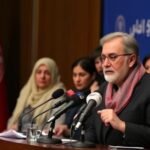
Amir Khan Muttaqi, the acting Foreign Minister of the Taliban, recently made a significant visit to the Darul Uloom Deoband seminary in India. This visit marks a noteworthy event in the context of India-Afghanistan relations, shedding light on the deep connections between Afghanistan and this revered institution. In this article, we explore the importance of Deoband, its historical ties to Afghanistan, and the implications of Muttaqi’s visit for future diplomatic relations.
The Historical Context of Darul Uloom Deoband
Established in 1866, Darul Uloom Deoband is one of the most influential Islamic seminaries in the world. Located in the Indian state of Uttar Pradesh, it has been the birthplace of the Deobandi movement, which emphasizes a conservative interpretation of Islam.
This institution has produced thousands of scholars and has played a pivotal role in shaping Islamic education in South Asia. Moreover, its teachings have extended beyond Indian borders, significantly influencing Islamic thought in Afghanistan and Pakistan.
Connection Between Deoband and Afghanistan
The ties between Darul Uloom Deoband and Afghanistan run deep. Many Afghan scholars have studied at this seminary, influencing religious and political dynamics in their home country.
- The seminary has shaped the religious narrative among various Afghan factions.
- It has been a source of inspiration for Islamist movements in Afghanistan.
- Numerous Taliban leaders are known to have connections with Deoband, highlighting its importance in their ideological formation.
Why Amir Khan Muttaqi’s Visit Matters
Muttaqi’s visit to Deoband carries considerable symbolic weight. As the first senior Taliban official to visit India since the U.S. withdrawal from Afghanistan, it underscores several critical aspects of the current geopolitical landscape.
Besides the religious significance, this visit also signifies a possible thaw in India-Afghanistan relations. During his visit, Muttaqi expressed optimism about the future of bilateral ties, stating, “The future of India-Afghanistan relations seems very bright.” This could lead to more diplomatic engagements and cooperation.
The Reaction from India and Beyond
The reactions to Muttaqi’s visit have been mixed. On one hand, it might indicate a willingness from the Taliban to engage diplomatically with India. On the other hand, it raises questions about the Taliban’s approach to multifaceted relationships in a turbulent region.
Moreover, the visit has triggered concerns regarding Pakistan, as it has historically viewed India’s influence in Afghanistan with suspicion. Pakistan’s political reaction has been swift, hinting at worries over potential Indo-Afghan collaboration.
Broader Implications for Regional Politics
This visit may represent a recalibration of political alliances in South Asia. As the Taliban seeks international legitimacy, their relationship with key players like India will be crucial.
Furthermore, the visit emphasizes the evolving nature of diplomatic ties in the region. Factors to consider include:
- The Taliban’s stance on terrorism and security issues affecting India.
- Potential economic collaborations in light of Afghanistan’s natural resources.
- The looming humanitarian crisis in Afghanistan and the role India can play.
Conclusion
Amir Khan Muttaqi’s visit to Darul Uloom Deoband is more than just a diplomatic gesture; it is a significant pivot point for India-Afghanistan relations. As both sides explore this renewed relationship, it remains essential to follow how history, ideology, and geopolitics play into the future of their interactions. The outcome of this meeting may very well shape the trajectory of not only bilateral relations but also regional stability in South Asia.