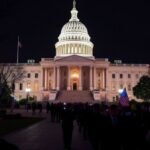
The U.S. government is facing a significant crisis, as the shutdown persists due to the Senate’s failure to pass crucial funding bills. Roughly 750,000 federal workers are now bracing for furloughs, while essential staff may remain unpaid. This situation has escalated after lawmakers rejected a short-term spending bill intended to keep the government operational through November 21. With this unfolding scenario, both federal workers and citizens are left wondering about the future of government services and operations.
What Led to the Government Shutdown?
The shutdown was triggered when the Senate rebuffed a plan to temporarily extend funding. Instead of reaching a consensus, lawmakers opted for confrontation, leading to a lapse in funding for the first time since 2019. This development marks the fourth government shutdown of the 21st century and serves as a stark reminder of the political divisions plaguing Congress.
Impact on Federal Workers
The ramifications of this shutdown are set to impact approximately 750,000 federal workers. Many face furloughs, and those who are deemed essential may have to work without pay. The uncertainty of funding has left these workers and their families in a precarious situation.
Essential vs. Non-Essential Workers
- Essential Workers: Despite the shutdown, they must continue to fulfill their duties, often without guaranteed payment.
- Non-Essential Workers: These employees may face immediate furloughs, leading to financial strain.
Political Stalemate and Its Consequences
This government shutdown primarily stems from a deep political stalemate. Senate Republicans failed in an 11th-hour attempt to pass a stopgap bill that would have sustained funding. The divide between parties has only widened, with Democrats pushing for extended healthcare subsidies while Republicans remain resistant to compromise.
Previous Shutdowns as Context
Historically, government shutdowns have occurred when budget disagreements escalate. Notable previous instances include:
- The last shutdown in 2019, primarily over border wall funding.
- The 2013 shutdown, which lasted 16 days over the Affordable Care Act.
The Future of Government Funding
Looking ahead, it remains unclear how long the current shutdown will last. Congress faces mounting pressure to resolve the funding issues, yet there is no immediate insight into a potential compromise. The dynamics between the political parties will play a crucial role in determining the length of this shutdown.
Public Services and Government Functionality
The consequences of a government shutdown extend beyond federal workers. Many public services will also see interruptions, impacting citizens’ daily lives. Essential services, such as social security payments and veterans’ benefits, may continue to function; however, others may face delays.
Areas Affected by the Shutdown
- National Parks: Many parks may close or reduce hours.
- Government Agencies: Functions may be halted, leading to a backlog.
- Public Health Services: Potential disruptions may occur in programs meant to aid public health.
Conclusion: The Need for Bipartisan Solutions
The ongoing government shutdown highlights the urgent need for bipartisan cooperation. Addressing funding disagreements is crucial, not just for federal workers but also for the millions of Americans who rely on government services. As the situation develops, it is imperative for Congress to come together and find common ground to avoid further disruptions. The focus should be on ensuring the government remains operational and effectively serves the needs of its citizens.