In the intricate dance of global diplomacy, few relationships hold as much sway as that between China and the United States. For years, the narrative has often leaned towards competition and rivalry. Yet, a powerful and consistent counter-narrative has emerged from Beijing, articulated most clearly by President Xi Jinping himself. His message, reiterated across different high-level engagements—from his meetings with former U.S. President Donald Trump to discussions with Secretary of State Antony Blinken—is unequivocal: China and the U.S. should strive to be “partners, not rivals.” This enduring call for cooperation underscores a strategic vision for a more stable and prosperous world.
The Rationale Behind “Partners, Not Rivals”
President Xi Jinping’s emphasis on partnership is not merely diplomatic rhetoric; it reflects a deep understanding of interconnected global challenges and opportunities. Both nations, as the world’s two largest economies, share immense responsibilities. A confrontational stance risks not only their own progress but also casts a long shadow over international peace and economic stability. The vision of “partners, not rivals” suggests a path where mutual respect and shared interests can outweigh points of contention.
This approach highlights the potential for immense collaborative gains. From tackling climate change to addressing global health crises, many of the world’s most pressing issues demand concerted action from both the U.S. and China. Seeing each other as partners opens doors for effective solutions that rivalry would otherwise close.
Echoes of Partnership: Xi and Trump’s Shared Sentiment
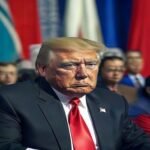
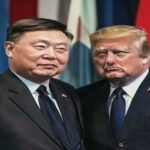
The sentiment of partnership found a notable echo during interactions between President Xi Jinping and then-President Donald Trump. Despite initial trade tensions and geopolitical complexities, both leaders acknowledged the crucial need for a constructive relationship. President Trump, during talks in Beijing, remarkably stated that the two countries should be “partners and not rivals.” This alignment in a key aspect of their bilateral relationship offered a moment of hope and demonstrated a shared recognition of the high stakes involved.
President Xi expressed his happiness in receiving President Trump, signaling a readiness to engage constructively. These high-level meetings provided platforms for in-depth exchanges on China-U.S. relations and broader global peace, laying groundwork for potential cooperation even amidst divergent interests.
A Consistent Diplomatic Stance: Xi’s Message to Blinken
The “partners, not rivals” message is not confined to a single administration. President Xi Jinping consistently conveyed this exact sentiment to top U.S. diplomat Antony Blinken. During recent discussions, Xi emphasized that the two superpowers “should be partners rather than rivals” and should actively help each other succeed rather than seek to undermine. This reinforces the idea that the call for partnership is a core principle of China’s foreign policy approach to the United States, irrespective of the specific individuals in power.
The continuity of this diplomatic stance is vital for building a more predictable and stable future for China-U.S. relations. It signals China’s readiness to engage in a relationship built on collaboration, even when significant differences persist.
Beyond Rhetoric: Practical Pillars of US-China Partnership
Economic Cooperation
- The intertwined economies of the U.S. and China are a testament to their deep interdependence. Trade, investment, and technological exchange form the bedrock of a relationship that, when cooperative, benefits billions globally. A partnership approach fosters fair competition and mutual growth.
Addressing Global Challenges
- From combating pandemics to promoting sustainable development, the world looks to both nations for leadership. Collaborative efforts on issues like climate change are indispensable. Both countries have the resources, innovation, and influence to drive meaningful global solutions.
Regional and Global Stability
President Xi Jinping also praised President Trump’s role in the Gaza ceasefire, underscoring how crucial collaboration can be in defusing international crises. This example highlights the potential for the U.S. and China to work together on complex geopolitical issues, contributing to broader world peace and stability.
Navigating Geopolitical Complexities
While the call for partnership is clear, both nations acknowledge that complexities and areas of disagreement exist. Differences in political systems, human rights concerns, and regional security issues remain points of friction. However, the “partners, not rivals” framework encourages dialogue and diplomacy as primary tools for managing these challenges, rather than allowing them to escalate into full-blown confrontation. Building trust and maintaining open lines of communication are paramount.
The goal is not to eliminate all competition, but to ensure that competition remains healthy and does not spill over into detrimental rivalry. A stable and predictable China-U.S. relationship, grounded in mutual respect and understanding, is beneficial for the entire international community.
Conclusion: Forging a Future of Cooperation
President Xi Jinping’s consistent message for China and the U.S. to be “partners, not rivals” is a strategic imperative for the 21st century. It is a recognition that the prosperity and stability of both nations, and indeed the world, hinge on their ability to find common ground and collaborate on shared challenges. Whether engaging with Donald Trump or Antony Blinken, the core principle remains: fostering a solid foundation for China-U.S. relations is paramount. By embracing this vision of partnership, both superpowers can unlock immense potential for global progress, ensuring that future generations inherit a world shaped by cooperation rather than contention.